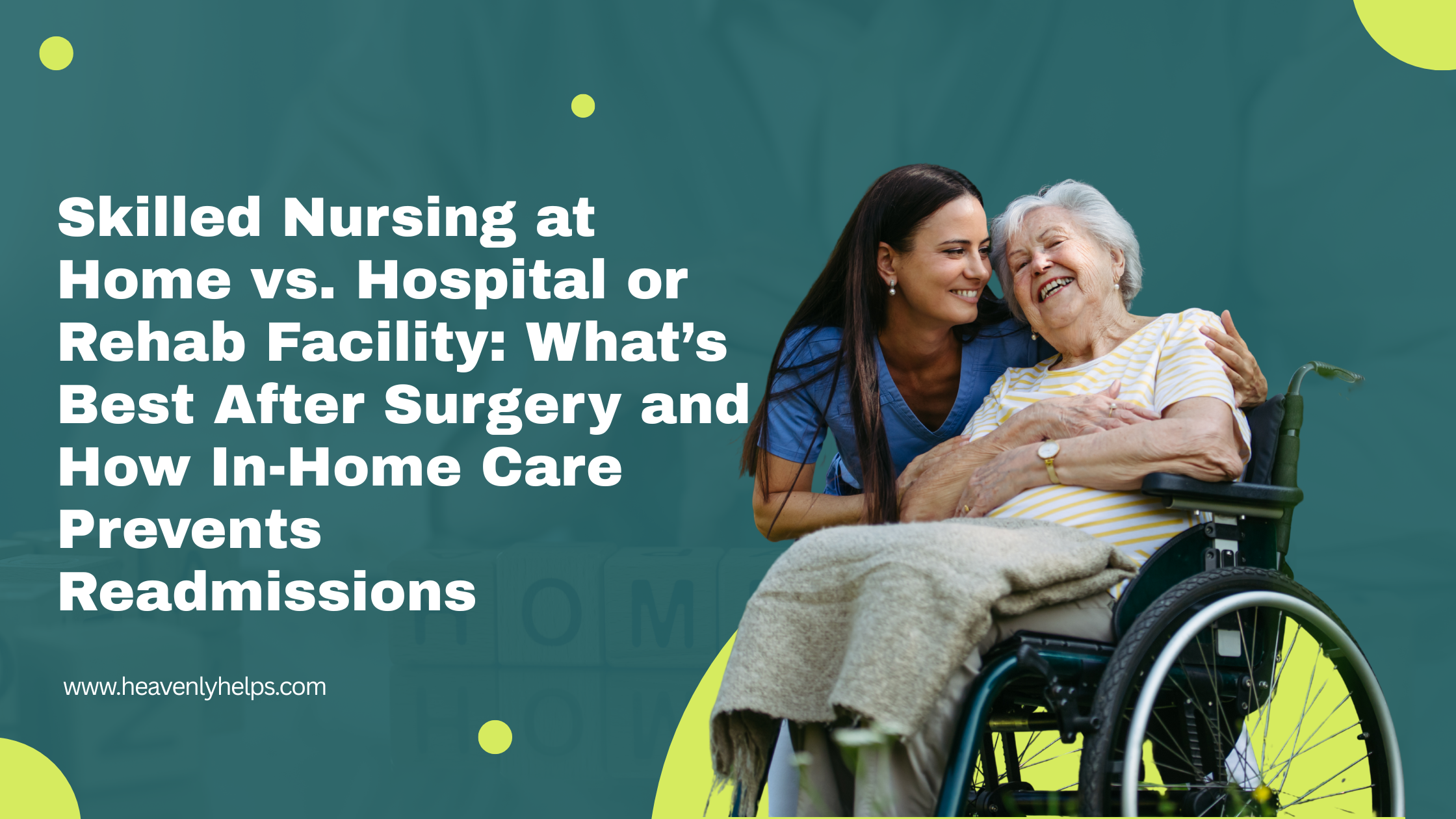
Recovering after surgery often raises an important question for families: should recovery happen at home with skilled nursing support, or inside a hospital or rehabilitation facility? The answer depends on the patient’s condition, mobility, safety needs, and long-term recovery goals.
Across Charles County, MD, more families are choosing skilled nursing at home because it offers personalized support in a familiar setting. In-home recovery can reduce stress, improve comfort, and help patients avoid preventable hospital readmissions when proper medical oversight is in place.
What Skilled Nursing at Home Actually Includes
Skilled nursing at home provides medical-level care delivered by licensed professionals in the patient’s residence. This support is often recommended after surgery, hospitalization, illness, or injury when ongoing monitoring is needed.
Services may include wound care, medication management, pain monitoring, mobility support, and coordination with physicians. Families in Charles County often combine Skilled Nursing with other in-home services for a more complete recovery plan.
Medication monitoring: Nurses help ensure prescriptions are taken correctly and on schedule
Wound management: Surgical incisions are monitored to reduce infection risks
Health assessments: Vital signs and recovery progress are tracked consistently
Why Many Patients Prefer Recovering at Home
Hospitals and rehab centers can feel overwhelming after surgery. Patients often recover better when they are surrounded by familiar routines, family support, and personal comfort.
Home recovery also allows for one-on-one attention that may not always be available in busy facilities. This individualized approach can improve emotional well-being while supporting safer healing.
Comfort and familiarity: Patients tend to rest better in their own environment
Reduced exposure risks: Home care lowers exposure to facility-based infections
Family involvement: Loved ones can stay actively involved throughout recovery
When a Hospital or Rehab Facility May Still Be Necessary
In some cases, facility-based care remains the safest option. Patients with severe mobility limitations, intensive rehabilitation needs, or unstable medical conditions may require specialized monitoring.
Rehab facilities can provide access to multiple therapies and advanced equipment. However, once the patient stabilizes, transitioning home with professional nursing support often becomes the next step.
Situations that may require facility care include:
Complex surgeries: Major procedures may need temporary intensive rehabilitation
High fall risk: Patients needing constant supervision may initially benefit from facility care
Advanced therapy needs: Some recoveries require daily physical or occupational therapy
How In-Home Skilled Nursing Helps Prevent Hospital Readmissions
Hospital readmissions are common after surgery, especially when recovery instructions are difficult to manage alone. Skilled nursing at home helps identify early warning signs before complications become emergencies.
Nurses can monitor symptoms, communicate with physicians, and help patients stay consistent with recovery plans. This proactive support reduces avoidable setbacks that often lead back to the hospital.
According to the Centers for Medicare & Medicaid Services, many preventable readmissions are linked to medication issues, infection complications, and poor follow-up care. Proper home support helps reduce these risks naturally.
Common Problems Families Face During Post-Surgical Recovery
Many families underestimate how challenging recovery can become after discharge. Even routine surgeries may create temporary limitations that affect daily life.
In Charles County, caregivers often balance work, transportation, and household responsibilities while trying to support a recovering loved one. Professional in-home care helps reduce that pressure.
Common recovery challenges include:
Medication confusion: Multiple prescriptions can become difficult to manage
Limited mobility: Patients may struggle with bathing, walking, or meal preparation
Missed warning signs: Small complications can worsen without professional oversight
Support services like Personal Care and Medication Reminders often improve overall recovery outcomes.
Step-by-Step Transition From Hospital to Skilled Nursing at Home
Moving from hospital discharge to home recovery should follow a structured plan. A smooth transition helps reduce stress and confusion for both patients and families.
The process usually includes:
Step 1: Review discharge instructions and physician recommendations
Step 2: Schedule in-home nursing assessments before discharge when possible
Step 3: Prepare the home environment for safety and accessibility
Step 4: Coordinate medications, follow-up appointments, and therapy schedules
Step 5: Monitor recovery progress through ongoing nursing visits
Patients who receive organized discharge support often experience fewer complications during the first few recovery weeks.
Comparing Costs Between Home Care and Rehab Facilities
Cost is an important consideration for many families. Extended stays in rehab facilities or hospitals can become expensive, especially when insurance coverage is limited.
Skilled nursing at home may provide a more flexible and cost-conscious solution depending on the level of care required. Home care also reduces indirect costs tied to transportation, facility meals, and extended admissions.
Several factors influence pricing:
Frequency of visits: More nursing visits generally increase costs
Length of recovery: Long-term recovery plans may require ongoing support
Additional services: Companion care or homemaking services may be added when needed
Services That Work Alongside Skilled Nursing Care
Recovery after surgery often requires more than medical support alone. Combining services creates a safer and more comfortable environment for healing.
Families frequently pair skilled nursing with:
Companion Care: Provides emotional support and daily engagement
Homemaking Services: Helps maintain a clean and safe recovery environment
Respite Care: Gives family caregivers temporary relief when needed
This layered approach helps patients recover more confidently while reducing caregiver burnout.
Mistakes That Can Delay Recovery After Surgery
Even minor recovery mistakes can create serious complications. Families often focus heavily on the surgery itself while overlooking the recovery process afterward.
Avoiding these common problems can improve outcomes significantly.
Ignoring discharge instructions: Skipping care recommendations may delay healing
Missing medications: Inconsistent medication schedules can increase complications
Overexertion too early: Patients sometimes resume activity before the body is ready
Structured home care helps reduce these risks through ongoing monitoring and guidance.
Recovery Scenarios Where Home Nursing Makes a Major Difference
Every recovery experience is different. In-home nursing often becomes especially valuable when patients need medical support but do not require full hospitalization.
For example, a patient recovering from knee replacement surgery may need wound monitoring and mobility assistance but still prefer remaining at home near family support. Another patient recovering from abdominal surgery may benefit from medication oversight and fall prevention assistance during the first few weeks.
These real-world situations show how personalized home care adapts to changing recovery needs.
Skilled Nursing Support Across Charles County, MD
Families throughout Charles County need reliable recovery solutions that fit their local healthcare access and lifestyle needs. In-home skilled nursing allows patients to recover safely without unnecessary facility stays.
Heavenly Helpers Home Health Services supports patients across Waldorf and surrounding communities with personalized care plans tailored to post-surgical recovery.
You can explore local availability through the service areas page to learn more about coverage throughout the region.
For additional healthcare guidance related to safe post-surgical recovery, the National Institute on Aging provides trusted educational resources for older adults and caregivers.
Frequently Asked Questions About Skilled Nursing at Home
Many families have questions before deciding between home recovery and facility-based care. These answers help clarify what to expect from skilled nursing support.
What does skilled nursing at home include after surgery?
Skilled nursing at home includes medical monitoring, medication management, wound care, and recovery support provided by licensed professionals. Services are tailored to each patient’s surgical recovery needs.
Can skilled nursing at home prevent hospital readmissions?
Yes, professional in-home nursing helps identify complications early and ensures recovery instructions are followed correctly. This reduces the likelihood of avoidable emergency visits and readmissions.
Is home recovery safer than a rehab facility?
For many stable patients, recovering at home can reduce exposure to infections while improving comfort and emotional well-being. The safest option depends on the patient’s condition and physician recommendations.
Can skilled nursing be combined with personal care services?
Yes, many families combine Personal Care with skilled nursing to support both medical and daily living needs during recovery.
Get Trusted Skilled Nursing Support in Charles County, MD
Recovering after surgery should not feel overwhelming or uncertain. With the right professional support, patients can heal safely while remaining comfortable in their own homes.
Heavenly Helpers Home Health Services provides compassionate in-home care throughout Charles County, helping families create safer recovery plans that reduce stress and support long-term wellness.
Whether you need short-term post-surgical assistance or ongoing nursing support, personalized care is available to fit your situation and recovery goals.📍 Address: 2957 Festival Way, Suite 123, Waldorf, MD 20601
📞 Phone: (301) 909-8200
📧 Email: msharonne@heavenlyhelps.com
🌐 Website: https://www.heavenlyhelps.com